
Depression is far more than experiencing a temporary period of sadness or reacting to a challenging life event. It is a persistent clinical condition that reshapes how an individual thinks, feels, and interacts with the world. Often described as a heavy fog or a persistent drain on vital energy, clinical depression alters neural pathways, disrupts sleep rhythms, and strips away the pleasure of once-loved activities. Because it can manifest as emotional numbness rather than visible distress, many individuals navigate their daily responsibilities carrying a profound internal exhaustion, leaving their struggles unrecognized by those around them.
This free depression screening test is built on the Patient Health Questionnaire 9-item scale (PHQ-9). The PHQ-9 is a highly validated, clinically respected screening instrument used globally by primary care physicians, clinical psychiatrists, and psychotherapists. It evaluates nine fundamental depressive symptoms based on the criteria in the DSM-5 over the **last 2 weeks**, covering both cognitive patterns (such as hopelessness or guilt) and physical manifestations (like fatigue or motor speed). This assessment takes under 2 minutes, is entirely private, and provides instant, clinical-grade feedback alongside supportive resources.
Depression Screening (PHQ-9 Self-Assessment)
Evaluate your symptoms over the last 2 weeks using the gold-standard PHQ-9 clinical screener. 100% confidential, secure, and instant.
Clinical Interpretation
💬 Connect with a Supportive Therapist
Based on your screening results, speaking with a licensed clinician could help you process your experiences and establish a personalized path to healing. Book a free consultation today.
Book Free Consultation →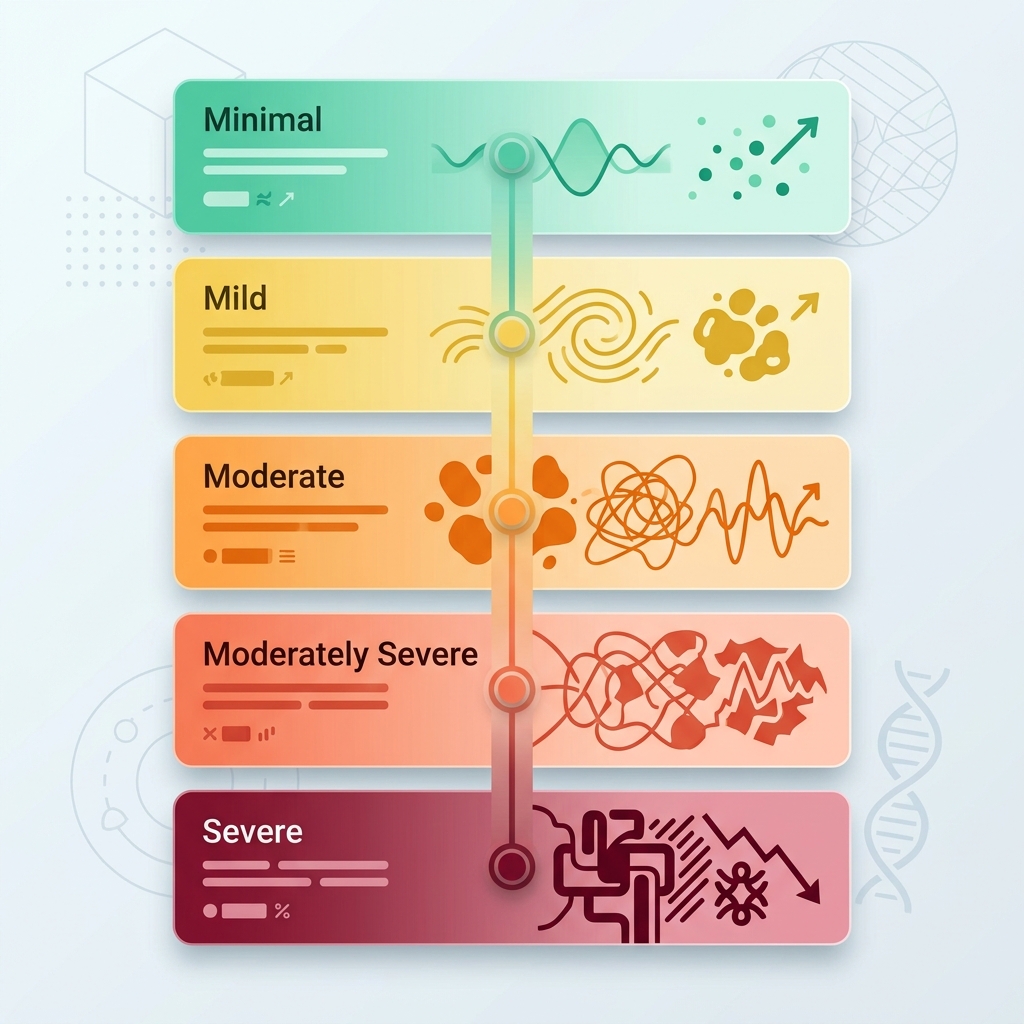
Understanding Your PHQ-9 Score
The PHQ-9 tracks nine core depressive symptoms over the preceding two weeks. Each symptom represents a primary clinical diagnostic criteria outlined in the DSM-5. The cumulative score corresponds to recognized severity categories that guide clinical decision-making and diagnostic evaluation:
- Minimal or No Depression (0–4): Your responses reflect normal daily fluctuations in mood. No clinical interventions are indicated.
- Mild Depression (5–9): You are experiencing low-level, lingering distress. Watchful waiting and practicing self-care are recommended.
- Moderate Depression (10–14): Your symptoms are clinically significant. A score of 10 represents the recognized threshold where clinical specialists recommend formal counseling or professional evaluation.
- Moderately Severe Depression (15–19): You are experiencing substantial distress. Professional therapeutic intervention is strongly recommended to rebuild coping strategies and find relief.
- Severe Depression (20–27): Your symptoms are highly impactful, causing significant distress and interference in professional, personal, or relational tasks. Seeking professional support and medical consultation is urgently advised.
Please note that screening tests evaluate symptom severity during a specific two-week snapshot. Elevated scores can temporarily occur due to acute stress, direct physiological illnesses, major physical health issues, or bereavement. However, if your score consistently sits in the moderate or severe brackets, these symptom patterns respond exceptionally well to standard psychotherapeutic treatments, including Cognitive Behavioral Therapy (CBT) and clinical counselors.
Practical Steps to Begin Recovery
Navigating depression can feel like wading through deep water, but small, daily adjustments can build cumulative momentum toward healing. Consider implementing these supportive strategies:
- Structure “Micro-Accomplishments”: Depression drains executive function, making small tasks feel overwhelming. Break your day into tiny, manageable wins (like stretching, drinking water, or making your bed) to stimulate dopamine pathways.
- Gentle Behavioral Activation: When energy is low, the natural instinct is to withdraw. Challenge this cycle by scheduling one brief, low-pressure activity per day—such as a 10-minute walk outside or texting a supportive friend.
- Seek Clinical Support: Self-guided coping mechanisms are highly valuable, but working with a licensed counselor provides a secure, expert space to identify underlying causes, resolve trauma, and build custom clinical plans.
Explore Additional Assessments
Anxiety Screening
GAD-7 Assessment
⚡ADHD Assessment
WHO ASRS v1.1
🧠Neuroticism Test
Big Five Personality
Professional Clinical Resources
📖 Depression ICD-10 Guide
Understanding the clinical categories for depressive episodes.
Read Coding Guide →🧠 F32 Single Episode Codes
A comprehensive clinical look at F32 single depressive episode coding.
Learn ICD-10 F32 →💡 Modalities Explained
Learn the core differences between CBT, DBT, EMDR, and Psychodynamic therapy.
Compare Modalities →📖 Repressed Emotions Guide
Explore how emotional suppression impacts physical health and mood.
Learn More →Let’s Get You the Help You Deserve.
Depression can feel like a heavy weight, but you do not have to carry it alone. Book a free, 100% confidential consultation with a licensed specialist to discuss your screening results and options.
Email Us
info@therapydial.comResponse Time
Within 24 hours, guaranteed
100% Confidential
HIPAA-compliant communications
Frequently Asked Questions
The PHQ-9 (Patient Health Questionnaire 9-item scale) is a self-administered clinical screening instrument designed to evaluate depressive symptom severity over the past 2 weeks. It is one of the most widely used and validated tools in modern medicine, developed by Dr. Robert L. Spitzer and clinical colleagues, helping identify symptoms corresponding to DSM-5 criteria.
No. An elevated score is a screening indicator suggesting the presence of depressive symptoms, but it does not constitute a formal diagnosis. Official diagnosis requires a thorough evaluation from a qualified mental health clinician or physician, who can rule out other medical conditions (such as vitamin deficiencies or thyroid issues) or acute circumstantial life events.
The questionnaire consists of nine questions. Each question is scored based on symptom frequency over the past two weeks: Not at all = 0, Several days = 1, More than half the days = 2, and Nearly every day = 3. The points are summed to produce a final score ranging from 0 to 27.
A score of 10 or greater is the standard clinical threshold where diagnostic specialists recommend professional counseling or psychiatric consultation. However, anyone experiencing persistent mood disruption, distress, or daily functional impairment can benefit enormously from therapy, regardless of their screening score.
Yes. The PHQ-9 self-assessment processes entirely inside your local web browser. Your answers and score data are never stored, transmitted to databases, or shared with third parties. Once you close or refresh this webpage, the session is completely cleared.
When you submit the contact form, a secure referral is sent to a licensed therapist in our supportive network. They will reach out within 24 hours to schedule a brief, confidential consultation. During this no-obligation call, you can review your screening results, discuss therapeutic options, and map out next steps for healing.
💬 Heavy weight on your mind? Talk to a licensed therapist who can help.
Book Free Consultation