Understanding DID Symptoms & Support
- Amnesia and Memory Gaps — Inability to recall personal information, daily events, or traumatic experiences.
- Depersonalization — Feeling detached from one’s own mind, body, or emotions.
- Derealization — Experiencing the external world as unreal, dreamlike, foggy, or distorted.
- Identity Confusion — Uncertainty about who one is, what one believes, or sudden shifts in preferences.
- Identity Alteration — The sense of being different people at different times, often with distinct names or histories.
- Inner Voices — Hearing conversations or commentary from within one’s mind, experienced separately from one’s thoughts.
- Therapy Focus — Treatment aims to establish safety, process trauma, and eventually help identities integrate or cooperate.
- Recovery Outlook — With specialized therapy, significant functional recovery and improved quality of life is highly possible.
Yes, children can be diagnosed with DID, though clinicians are typically cautious about diagnosing personality disorders in children. The diagnostic criteria are the same, but presentation may differ. Early intervention is crucial, as treatment during childhood and adolescence often has better outcomes than treatment beginning in adulthood.
The number varies widely—some individuals have just a few identity states, while others may have dozens or more. The average in clinical populations is between 8-15, but this number can fluctuate throughout treatment as awareness increases and fragmentation decreases. The focus in treatment is not on counting identities but on improving communication and cooperation.
Complete “cure” in the sense of the condition disappearing entirely is rare, but significant functional recovery is absolutely possible. The goal of treatment is typically integration—not necessarily the disappearance of identity states, but the development of cooperative internal relationships, reduced amnesia, and the ability to function effectively in daily life.
While everyone experiences mild dissociation occasionally, DID involves severe, chronic dissociation that impairs functioning. The key differences are the presence of distinct identity states with associated amnesia, the involuntary nature of the dissociation, and the significant distress or impairment it causes. Normal daydreaming doesn’t involve losing time or finding evidence of actions you don’t remember taking.
Many individuals with DID are unaware of their condition for years or decades, often attributing their symptoms to “blank spells,” “forgetfulness,” or other mental health conditions. The amnesia barriers between identity states can prevent awareness of the dissociation. Diagnosis typically comes after seeking help for other issues.
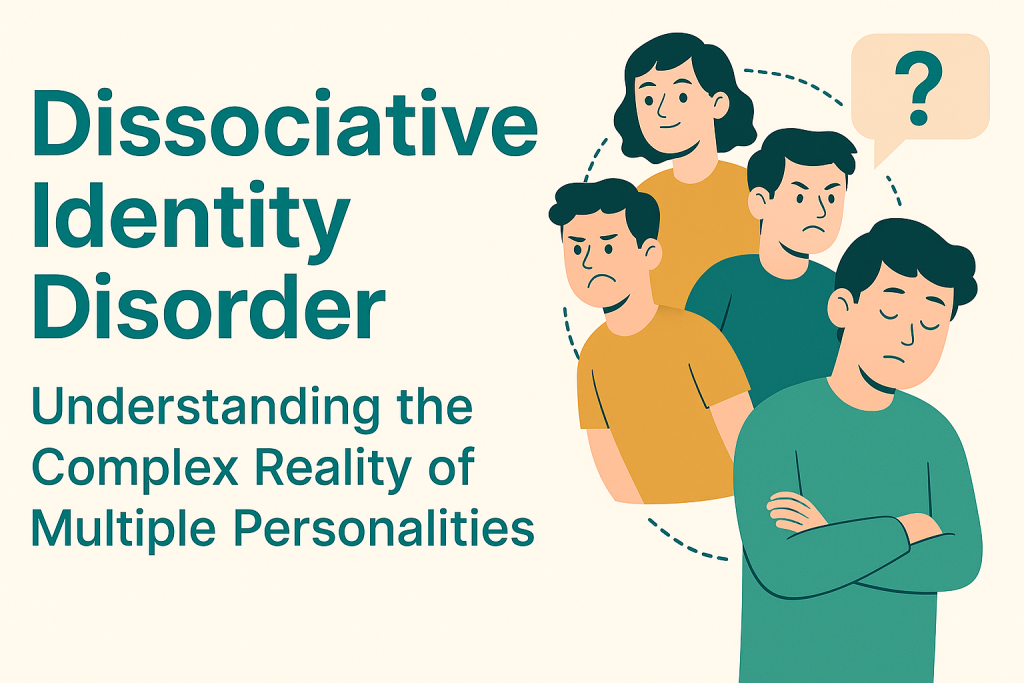
Have you ever experienced that surreal feeling of “losing time”—glancing at a clock and realizing hours have passed without any memory of what happened? For most people, this is a rare, unsettling occurrence. But for individuals with Dissociative Identity Disorder (DID), this experience is a daily reality that shapes their entire existence.
As a trauma specialist who’s worked with DID for over a decade, I’ve witnessed how misunderstanding and media sensationalism have created a distorted picture of this complex condition. The truth about DID is both more ordinary and more extraordinary than what’s typically portrayed. It’s not about dramatic personality shifts or criminal alter egos—it’s about survival, adaptation, and the incredible ways the human mind protects itself from unbearable pain. Proper clinical documentation with appropriate trauma-related ICD-10 codes is essential for helping these patients.
The Trauma Connection: How DID Develops
DID overwhelmingly develops as a response to severe, repetitive childhood trauma—typically beginning before age 6-9, during critical developmental periods when personality integration normally occurs. The dissociation serves as a psychological escape when physical escape is impossible.
Developmental Understanding
DID doesn’t form from single traumatic events but from ongoing, inescapable abuse where dissociation becomes the primary survival strategy. The brain essentially compartmentalizes traumatic experiences to allow the child to function day-to-day, but these compartments become increasingly separate over time.
The Three-Phase Treatment Model for DID
Treatment for DID typically follows a phased approach that may take several years. Therapeutic modalities often integrate EMDR for complex childhood trauma into the overall process.
Safety and Stabilization
Establishing safety, developing coping skills, building therapeutic alliance, and creating internal cooperation. This phase focuses on managing symptoms, reducing self-harm, and developing emotional regulation skills.
Trauma Processing and Integration
Gradually processing traumatic memories while maintaining stability. This involves helping identity states share memories, emotions, and experiences to reduce amnesia barriers. Integration may occur naturally as communication improves.
Identity Integration and Rehabilitation
Developing a more unified sense of self, learning to live without dissociative barriers, and building a meaningful life beyond trauma. This phase focuses on identity consolidation and future-oriented goals.
Ongoing Coping Skills
Recovery involves continuous practice of grounding techniques and learning to navigate stressors without severe dissociation. Co-occurring conditions like anxiety or depression are also treated concurrently.
Supporting Someone with DID
If someone you care about has DID, educate yourself from reputable sources and avoid media stereotypes. Be patient with memory gaps, respect all identity states equally, maintain consistent boundaries, and encourage professional treatment. Many patients describe the hardest part of DID as the loneliness and misunderstanding—your steady support is crucial to their healing journey.
Are You a Trauma Therapist?
Let TherapyDial handle the administrative burden of running your practice so you can focus entirely on clinical care.
- ✓ Professional Medical Billing
- ✓ FREE Insurance Credentialing
- ✓ FREE TherapyDial Profile Listing
- ✓ Priority Practice Support