Table of Contents
- The Clinical Link Between Workplace Stress and High Blood Pressure
- Why New Yorkers Are Uniquely Vulnerable
- Struggling with this?
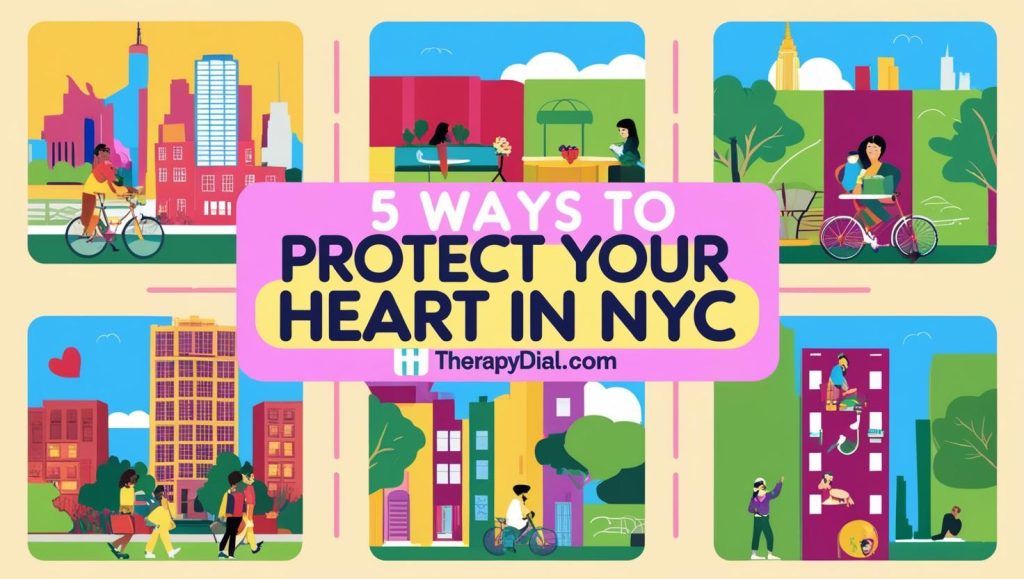
- 5 Evidence-Based Ways to Protect Your Heart in NYC
- 1. Incorporate Regular Cardiovascular Exercise
- 2. Practice Mindfulness and Somatic Grounding
- 3. Cultivate a Heart-Healthy, Stress-Resilient Diet
- 4. Set Firm Work-Life Boundaries
- 5. Seek Professional Mental Health Support
- Taking the First Step Toward a Healthier Heart
The Clinical Link Between Workplace Stress and High Blood Pressure
Workplace stress is far more than a fleeting feeling of overwhelm—it’s a measurable, physiological challenge that can steadily compromise your cardiovascular health. In a bustling environment like New York City, the combination of a non-stop pace, high cost of living, and relentless professional competition can leave you feeling perpetually on edge. But what exactly happens in your body when workplace demands become too much?
When you encounter a stressful situation at work—whether it’s a looming deadline, a demanding boss, or job insecurity—your sympathetic nervous system triggers the release of stress hormones, including cortisol and adrenaline. This “fight or flight” response temporarily increases your heart rate and constricts your blood vessels, leading to a spike in blood pressure. While occasional stress is a natural human experience, chronic workplace stress keeps your body in a persistent state of high alert. Over time, this unrelenting tension can damage your arterial walls and pave the way for chronic hypertension.
As noted by the American Heart Association, chronic stress not only has direct physiological effects but can also indirectly fuel behaviors that elevate blood pressure, such as poor diet, lack of exercise, or relying on alcohol to unwind.
Why New Yorkers Are Uniquely Vulnerable
The NYC lifestyle is deeply intertwined with hustle culture. Long hours, side gigs, and the expectation of constant availability can make it incredibly difficult to truly disconnect. When exhaustion is viewed as a badge of honor, your body’s stress response rarely has the opportunity to return to baseline.
Beyond professional pressures, environmental stressors unique to the city—such as subway overcrowding, excessive noise pollution, and the high cost of living—serve as a constant, underlying hum of anxiety. This chronic sensory overload can quietly exacerbate your body’s stress response without you even noticing. If you suspect that your fast-paced lifestyle is taking a serious toll on your mental health, you might find our guide on stress management in NYC particularly helpful.
Struggling with this?
You don’t have to navigate this alone. Connect with a licensed therapist today.
Book a Free 15-Minute Consultation5 Evidence-Based Ways to Protect Your Heart in NYC
While the demands of your career and city life may seem inevitable, feeling chronically stressed—and risking your heart health—is not. Here are five actionable, clinically supported strategies to help you manage workplace stress and protect your cardiovascular well-being.
1. Incorporate Regular Cardiovascular Exercise
Physical activity is one of the most effective, natural ways to combat stress and lower blood pressure. Exercise stimulates the release of endorphins, your brain’s natural mood elevators, while also conditioning your heart to pump blood more efficiently. Whether it’s a brisk walk through Central Park, cycling along the Hudson River, or joining a local yoga class, aiming for at least 150 minutes of moderate aerobic activity each week can make a profound difference in your physical and emotional resilience.
2. Practice Mindfulness and Somatic Grounding
In a city that never stops, carving out moments of stillness is essential. Mindfulness meditation and deep breathing exercises activate your parasympathetic nervous system, signaling your body that it is safe to rest and digest. Just five to ten minutes of focused breathing each day can lower circulating cortisol levels and reduce both systolic and diastolic blood pressure. Apps, guided sessions, or simply pausing at your desk to take slow, intentional breaths can interrupt the stress cycle before it spirals.
3. Cultivate a Heart-Healthy, Stress-Resilient Diet
Your nutritional choices play a critical role in how your body handles stress. Diets high in sodium, refined sugars, and saturated fats can rapidly increase blood pressure. Conversely, focusing on nutrient-dense foods rich in potassium, magnesium, and fiber can help regulate it. The CDC emphasizes that adopting a heart-healthy diet—like the DASH (Dietary Approaches to Stop Hypertension) diet—is fundamental in managing high blood pressure. Lean proteins, fresh vegetables, and whole grains provide the sustained energy you need to navigate a busy workday without the inevitable sugar crash.
4. Set Firm Work-Life Boundaries
Without clear boundaries, the stress of your workday will inevitably bleed into your personal life. Protecting your time is not just a productivity hack; it is a medical necessity for your heart. Establish clear start and end times for your workday, turn off non-essential notifications after hours, and try to create physical separation between your workspace and your relaxation space if you work remotely. Giving yourself permission to unplug allows your cardiovascular system the crucial downtime it needs to recover.
5. Seek Professional Mental Health Support
You do not have to manage chronic workplace stress in isolation. If you find yourself unable to break the cycle of anxiety or are experiencing symptoms of burnout, engaging with a licensed therapist can provide you with targeted, evidence-based coping strategies like Cognitive Behavioral Therapy (CBT). A mental health professional can help you reframe stressful situations and build long-term emotional resilience. If you’re unsure whether what you’re feeling is just everyday stress or something more severe, taking a free burnout assessment can be a helpful first step.
Taking the First Step Toward a Healthier Heart
Your career is important, but it should never come at the expense of your cardiovascular health or your peace of mind. By recognizing the clinical link between stress and high blood pressure, and intentionally integrating these protective habits into your daily routine, you can navigate the demands of New York City while keeping your heart strong.
Remember that managing stress is an ongoing practice, not a one-time fix. Be gentle with yourself as you implement these changes, and don’t hesitate to reach out for professional support when you need it. Your heart, and your future self, will thank you.
Ready to Start Healing?
Request a free consultation with a licensed therapist.
Message Sent!
Thank you for contacting TherapyDial. We will get back to you within 24 hours.