What is ASMR and Why is it Trending Among Kids?
If your child has ever asked to watch someone whispering softly into a microphone or tapping their fingers on a piece of plastic, chances are they’ve stumbled into the world of ASMR. Standing for Autonomous Sensory Meridian Response, this sensory phenomenon has transitioned from a niche internet curiosity to a mainstream coping tool, especially for children and adolescents navigating a high-stress world.
In clinical terms, ASMR is a perceptual sensory phenomenon characterized by a tingling sensation that typically begins at the crown of the head and travels down the spine, often accompanied by a profound sense of relaxation and well-being. With platforms like YouTube and TikTok making these videos highly accessible, children are discovering ASMR at younger ages and using it to self-soothe.
But as a parent, it’s completely natural to wonder: Is ASMR safe for my child? Should they be watching it at all?
The Growing Popularity of ASMR Content
Over the last few years, ASMR has exploded in popularity. YouTube is home to thousands of ASMR creators, and short-form platforms have brought this content to an even younger demographic. Videos range from simple sound experiments—like page turning or kinetic sand—to elaborate roleplays involving themes like sleep clinics or school environments.
Many children aren’t just passive consumers; they enjoy creating their own ASMR videos. It serves as a creative outlet and a tangible way to explore sensory input. However, the internet remains a largely unregulated space, meaning that not all ASMR content is created equal. As caregivers, understanding the neurological impact of ASMR and how to curate a safe digital environment is essential.
The Science of ASMR: Understanding the Neurological Impact
Research published by the National Institutes of Health (NIH) has shown that ASMR is associated with reduced heart rate and increased skin conductance levels, indicative of physiological relaxation combined with positive emotional arousal. Neurologically, ASMR appears to activate areas of the brain related to reward, social bonding, and emotional regulation.
For children experiencing stress, sensory overstimulation, or generalized anxiety, ASMR can serve as a non-pharmacological, gentle intervention that works like a natural nervous system reset. It promotes the release of neurotransmitters like dopamine and oxytocin, providing a neurochemical foundation for the profound comfort many children report.
Common Triggers and Why They Work
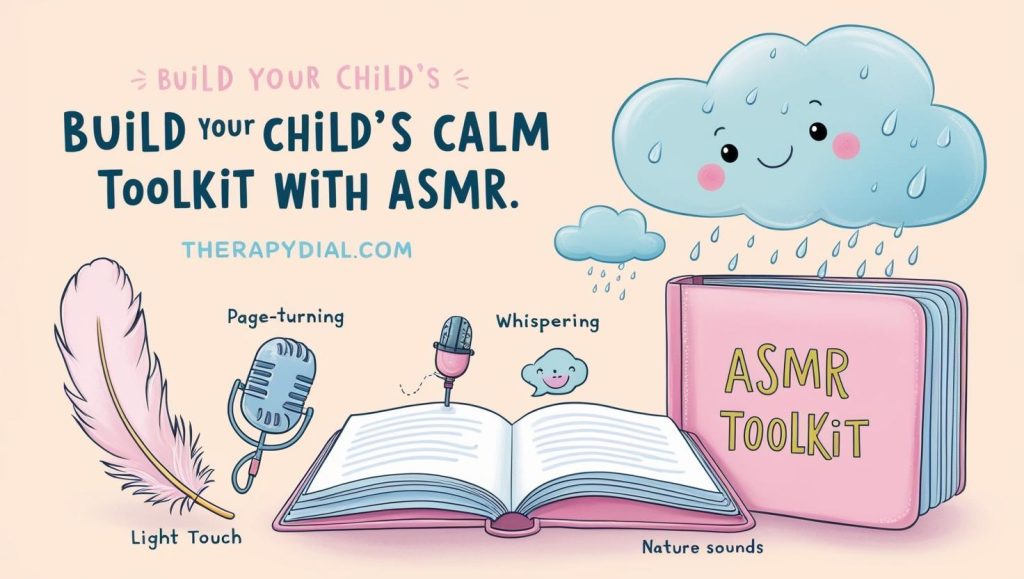
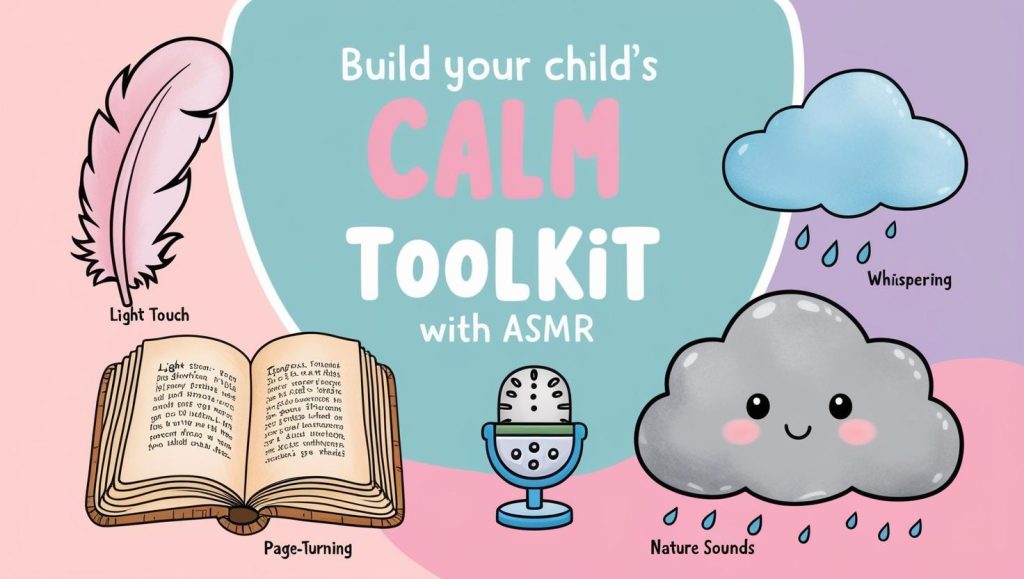
Some of the most common sensory triggers include:
- Whispering or soft speaking
- Tapping on textured objects (wood, plastic, glass)
- Page turning and paper crinkling
- Brushing or hair sounds
- Nature sounds (rain, thunder, ocean waves)
These stimuli often mimic safe, nurturing interactions reminiscent of early childhood bonding—such as a parent softly reading a bedtime story. The predictable repetition helps quiet the amygdala (the brain’s fear center), making it easier for children to rest or focus.
Struggling with this?
You don’t have to navigate this alone. Connect with a licensed therapist today.
Book a Free 15-Minute ConsultationIs ASMR Content Safe for Children?
While the physiological response to ASMR is generally recognized as safe and beneficial, the content delivering these triggers requires parental oversight. Some ASMR creators develop roleplays or themes that might be confusing, overly mature, or unintentionally inappropriate for developing minds.
Parents should approach ASMR like any other form of media consumption. The American Academy of Pediatrics (AAP) recommends active parental involvement in a child’s media use. Ask your child what they are watching, who their favorite creators are, and how the videos make them feel. Previewing content is critical to ensure it aligns with your family’s values and your child’s developmental stage.
Differences Between Kid-Friendly and Adult-Oriented Content
Age-appropriate ASMR typically features:
- Gentle acoustic sounds (tapping, brushing, nature sounds)
- Positive, developmentally appropriate affirmations
- Playful, tactile visuals (slime, kinetic sand, drawing)
Conversely, content geared toward adults might include intense whispering that feels overly intimate, complex psychological roleplays (like simulated therapy sessions), or subtle innuendo. By setting clear boundaries, parents can help their children safely access the benefits of ASMR without exposure to mature themes.
The Clinical Benefits: Why Kids are Drawn to ASMR
Regulating the Nervous System and Improving Sleep
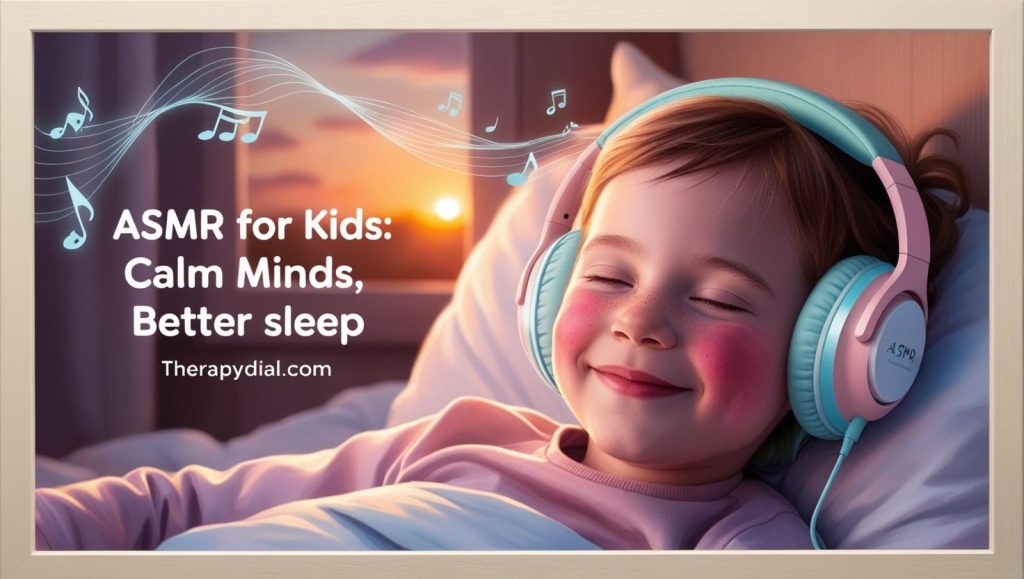
One of the primary clinical applications of ASMR is sleep hygiene support. Pediatric insomnia and bedtime resistance are common challenges, often driven by anxiety or an inability to self-soothe. By introducing calming auditory input, ASMR can bridge the gap between wakefulness and rest. For parents seeking practical tools, learning about ASMR triggers to conquer insomnia can provide safe methods to yield significant improvements in sleep latency.
Emotional Comfort and Anxiety Reduction
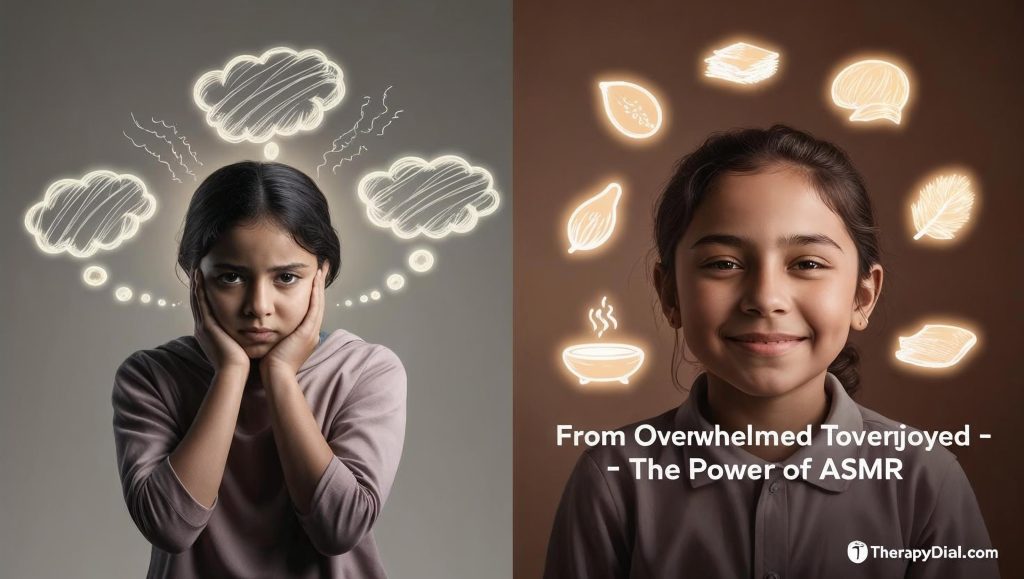
Beyond sleep, ASMR provides a reliable source of emotional regulation. Children frequently struggle to articulate complex emotions like social anxiety or overwhelm. The sensory stimulation of ASMR offers a predictable, self-paced soothing mechanism. In fact, many mental health professionals are exploring how ASMR calms overwhelm in cases of social anxiety or sensory processing differences, recognizing it as a valid, non-invasive coping skill.
Best Practices for Parents Monitoring ASMR Use
To maximize the clinical benefits while minimizing potential risks, consider establishing clear digital hygiene guidelines:
- Co-viewing: Watch ASMR videos with your child to gauge their reaction and ensure content appropriateness.
- Set Time Limits: Utilize screen timers to prevent excessive use. ASMR is most effective when used as a transitional tool rather than a constant background distraction.
- Volume Control: Protect your child’s hearing by ensuring headphones are kept at a safe, low volume.
- Encourage Offline Soothing: While ASMR is helpful, it should complement offline self-regulation strategies like deep breathing, physical comfort, or quiet reading.
Final Thoughts: Embracing Sensory Tools Safely
ASMR can be a profoundly safe and soothing tool for children when guided by intentional parenting. In an increasingly overstimulating world, the quiet, repetitive nature of ASMR provides a digital sanctuary. By staying involved, curating appropriate channels, and maintaining open dialogue, parents can empower their children to use ASMR as a healthy component of their emotional wellness toolkit.
Ready to Start Healing?
Request a free consultation with a licensed therapist.