What is ASMR?
Imagine a gentle, tingling sensation that starts at the crown of your head, slowly cascading down your spine to wash away the day’s stress. This is Autonomous Sensory Meridian Response—widely known as ASMR. Far from just a fleeting internet trend, ASMR is an established neurophysiological phenomenon that millions of people use to self-soothe, manage stress, and conquer sleepless nights.
Clinically speaking, ASMR is triggered by specific auditory or visual stimuli that activate the parasympathetic nervous system. It gently shifts your body away from “fight or flight” and into a deeply restful state. Because everyone’s nervous system is unique, your personal ASMR triggers are highly individualized.
The Connection Between ASMR and Sleep
If you suffer from insomnia, you know the grueling cycle of a racing mind and a restless body. ASMR can be a powerful, non-pharmacological tool to break that cycle. Research published by the Sleep Foundation highlights that ASMR helps lower heart rates and significantly reduces stress levels.
By promoting the release of dopamine and oxytocin, these triggers essentially act as a “digital lullaby,” signaling to your brain that it is safe to sleep. If anxiety plays a role in your restless nights, exploring ASMR for social anxiety can be a profound step toward nighttime peace.
1. Whispering
Why Whispering Works Wonders
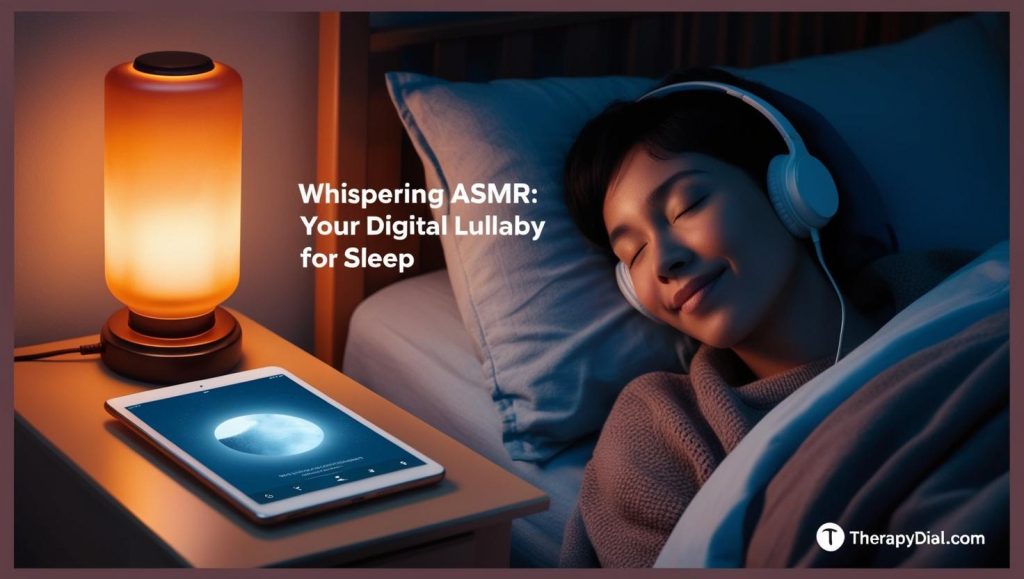
Whispering is the cornerstone of the ASMR community. It offers an auditory intimacy that simulates closeness and safety. In psychological terms, hearing a gentle, soft-spoken voice can activate the brain’s reward pathways, reassuring your nervous system that you are secure.
This trigger effectively lowers hyperarousal, helping to release endogenous melatonin naturally. Whether you prefer inaudible whispering, breathy tones, or bilingual storytelling, whispering provides a soothing cognitive distraction that drowns out intrusive thoughts.
2. Tapping Sounds
Types of Tapping that Soothe the Brain
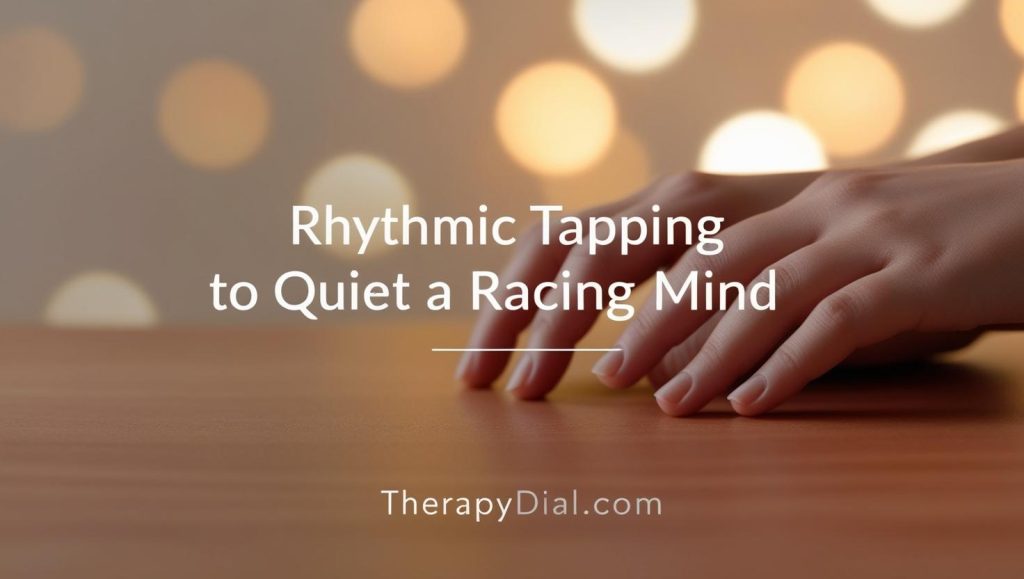
Rhythmic tapping is surprisingly hypnotic. Whether the ASMRtist is tapping on wood, glass, or metal, the repetitive auditory patterns capture the brain’s attention just enough to prevent rumination. Fast tapping might serve as sensory stimulation for some, but slow, deliberate tapping mimics natural ambient sounds, like rain pattering against a window.
When listening through binaural headphones, the 3D audio experience makes it feel as though the sound is gently traveling around your head, providing a deeply grounding somatic experience.
3. Personal Attention Roleplay
The Comfort of Simulated Care
Personal attention triggers address a profound psychological need for connection and care. Through roleplays—such as a simulated doctor’s visit, a spa treatment, or cranial nerve exam—the ASMRtist speaks directly to the listener. This direct eye contact and focused attention can profoundly reduce feelings of isolation.
For individuals whose insomnia stems from loneliness or emotional dysregulation, these scenarios foster a parasympathetic response. The simulated care reassures the amygdala, helping to dial down stress so sleep can naturally follow.
4. Hair Brushing Sounds
Nostalgic and Soothing Sensations
There is an intrinsic comfort to the sound of hair being brushed. Often linked to childhood memories of a caregiver preparing us for bed, the slow, rhythmic swish of bristles against hair is profoundly meditative.
Auditorily, it acts as a soft white noise that drowns out environmental disturbances. Visually, watching the repetitive motion provides a focal point that encourages mindfulness and pulls you away from the anxiety of not being able to sleep.
Struggling with this?
You don’t have to navigate this alone. Connect with a licensed therapist today.
Book a Free 15-Minute Consultation5. Page Turning
The Rhythmic Rustle of Calm
For many, the gentle, crisp sound of paper turning is the ultimate cue for relaxation. Page turning ASMR captures the acoustic texture of vintage paper, offering a delicate, papery crackle that stimulates auditory receptors without overwhelming them.
This sound is frequently associated with quiet focus, learning, and peace. Incorporating page turning into your bedtime routine is an excellent way to signal your brain that it is time to shift from active engagement to winding down.
6. Crinkling Sounds
Why Crinkling Is Surprisingly Relaxing
It might seem counterintuitive to listen to crinkling plastic or foil to fall asleep, but for a unique subset of individuals, it is highly effective. The unpredictable, textured crackling engages the brain’s focus, helping to intercept anxious thought loops.
Because crinkling sounds occupy the brain’s auditory processing centers, they leave less cognitive bandwidth for worry. If you also experience somatic symptoms like tension headaches from stress, you may find that exploring how ASMR helps with headaches offers complementary relief.
7. Eating and Chewing Sounds (Mukbang ASMR)
A Polarizing Yet Powerful Trigger
Chewing and mouth sounds are perhaps the most polarizing ASMR triggers. For those with misophonia, they can be deeply triggering. However, for those who experience the tingles, it can be incredibly grounding. The rhythmic sound of chewing is primal and deeply connected to human survival, comfort, and community.
When an ASMRtist slowly and deliberately eats soft foods like mochi or crispy snacks, the methodical pacing acts as a sensory metronome, stabilizing your breathing and heart rate as you drift off.
8. Typing and Keyboard Sounds
Click-Clack Therapy
The rhythmic “click-clack” of mechanical keyboards provides an unexpected sense of calm. This ambient noise is often reminiscent of quiet study halls or focused workspaces. It simulates a productive environment where everything is structured and under control.
By transferring the pressure of productivity onto the ASMRtist, you are free to simply listen. The structured, predictable cadence of typing works much like a heartbeat, giving your anxious mind a steady anchor to hold onto.
9. Gentle Hand Movements
Visual Triggers for Deep Relaxation
ASMR isn’t strictly auditory. Visual triggers, such as slow, intentional hand movements, light tracking, and aura-cleansing gestures, are deeply hypnotic. Watching a slow, sweeping motion visually signals your brain to lower its alertness.
These movements tap into mirror neurons, making you feel as though the soothing actions are being performed directly on you. Coupled with soft whispers, visual ASMR provides an immersive sensory shutdown that prepares the mind for deep REM sleep.
10. Nature Sounds and Ambient Triggers
Organic ASMR from the Outdoors
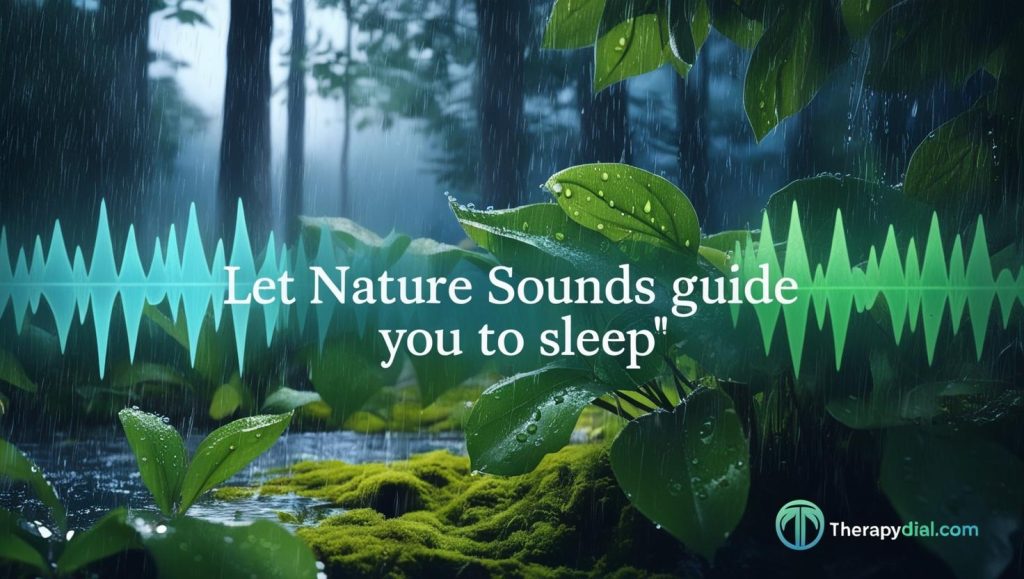
For those who prefer organic over synthetic, nature sounds are the original ASMR. The rhythmic crashing of ocean waves, the gentle patter of rain, or the crackle of a fireplace are universally recognized as calming. From an evolutionary perspective, these ambient noises signal environmental safety.
According to research from the American Psychological Association, exposure to natural sounds can lower cortisol levels and improve autonomic nervous system function. Using an ambient soundscape can transform a sterile bedroom into a restorative sleep sanctuary.
How to Find the Right Trigger for You
Trial and Error Approach
Because neurobiology is deeply personal, ASMR is not a one-size-fits-all remedy. Finding your ideal trigger requires mindful experimentation. Start by distinguishing between auditory and visual preferences, and explore various categories to see what elicits that comforting, tingling sensation.
Curate a personalized “sleep toolkit.” Whether it’s a playlist of gentle whispering or long compilations of hair brushing and tapping, having your customized go-to videos will train your brain over time to associate those specific stimuli with falling asleep.
Tips for Maximizing ASMR for Sleep
Best Practices for Your Nighttime Routine
To harness the full clinical benefits of ASMR, integrate it into a structured sleep hygiene routine. Begin listening 30 to 60 minutes before your intended bedtime. Dim the lights, reduce exposure to blue light, and put on high-quality, noise-canceling headphones to experience the full binaural effect.
Pairing ASMR with weighted blankets or deep breathing exercises can exponentially increase its efficacy, signaling a clear, undeniable command to your body that it is finally time to rest.
Conclusion
Insomnia doesn’t have to be a permanent sentence. Armed with the clinically supported and emotionally soothing power of ASMR, you can reclaim your nights. Whether you find solace in the intimate murmur of whispering, the rhythmic patter of tapping, or the organic hum of nature sounds, these triggers offer a natural, compassionate way to calm your nervous system.
Your brain deserves a sanctuary from daily stressors. By intentionally seeking out and embracing your unique ASMR triggers, you are taking an active, empowering step toward deeper, more restorative sleep.
FAQs
What is the most effective ASMR trigger for sleep?
While highly subjective, whispering and personal attention roleplays are frequently cited as the most effective due to their ability to foster intimacy and lower the heart rate.
Is ASMR safe to use every night?
Yes. ASMR is a natural, non-pharmacological tool with no known adverse side effects. Incorporating it nightly can actually strengthen your brain’s sleep-association cues.
Can everyone experience ASMR?
Not everyone experiences the physical “tingles,” but many people who lack this neurophysiological response still experience profound psychological relaxation from the stimuli.
How long should I listen to ASMR before bed?
Aim for 20 to 60 minutes. Use sleep timers on your device to ensure the audio doesn’t wake you up during lighter sleep cycles later in the night.
Do I need headphones for the best ASMR experience?
Absolutely. Binaural (3D) audio is a cornerstone of the ASMR experience, and a high-quality pair of headphones is necessary to fully experience the spatial and therapeutic aspects of the sound.
Ready to Start Healing?
Request a free consultation with a licensed therapist.