Searching for a trauma therapist in New York City can feel overwhelming. Between navigating different boroughs, understanding insurance coverage, and figuring out which therapeutic approaches actually work for trauma, it's easy to feel lost. As someone who has both received trauma therapy and now helps clients find the right fit, I understand how crucial—and challenging—this search can be.
The truth is, not every therapist who lists "trauma" as a specialty has the specific training and experience needed to effectively treat complex trauma. In a city with thousands of mental health professionals, knowing what to look for can mean the difference between finding healing and experiencing re-traumatization. This guide will walk you through exactly what makes a therapist truly qualified to treat trauma in the unique context of New York City.
Essential Qualifications for Trauma Therapists
Look for therapists with certifications in evidence-based trauma treatments. These aren't just weekend workshops—they require significant training, consultation, and demonstrated competency.
EMDR Certified
Completion of EMDR International Association (EMDRA) certification, not just basic training. This ensures advanced skill in trauma processing techniques.
TF-CBT Certified
Certification in Trauma-Focused Cognitive Behavioral Therapy, particularly important for childhood trauma and complex PTSD.
Somatic Experiencing
SE Practitioners have completed 3-year training in body-based trauma resolution techniques.
IFS Trained
Internal Family Systems training for working with trauma through parts work and self-leadership.
Trauma work requires ongoing professional support. Therapists who engage in regular supervision or consultation demonstrate commitment to providing quality care and staying current with best practices.
- Regular case consultation with other trauma specialists
- Participation in trauma-focused peer supervision groups
- Ongoing education in trauma and dissociation
- Membership in trauma organizations (ISSTD, ISTSS)
NYC-Specific Considerations
Cultural Competence
NYC's diversity requires therapists who understand how trauma manifests across different cultural backgrounds, immigration experiences, and community-specific stressors.
Urban Trauma Expertise
Look for therapists experienced with city-specific trauma sources: subway incidents, street harassment, high-stress workplaces, and the unique pressures of NYC living.
Accessibility & Practicalities
Consider office locations near public transit, flexibility with NYC work schedules, and understanding of the practical challenges of attending regular therapy in the city.
Trauma Therapy Resources by NYC Borough
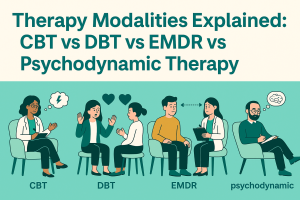
Evidence-Based Trauma Modalities to Look For
EMDR Therapy
Particularly effective for single-incident trauma and PTSD. Look for therapists certified by EMDRIA with experience treating your specific trauma type.
Somatic Therapies
Essential for trauma stored in the body. Includes Somatic Experiencing, Sensorimotor Psychotherapy, and Hakomi method.
Parts Work Therapies
IFS and Structural Dissociation model are crucial for complex trauma and dissociation.
DBT for Trauma
Dialectical Behavior Therapy adapted for trauma helps with emotional regulation and distress tolerance.
Narrative Exposure Therapy
Effective for multiple or complex trauma histories, particularly for refugees and survivors of prolonged trauma.
Psychodynamic Trauma Therapy
Modern relational approaches that address attachment trauma and relationship patterns.
Questions to Ask Potential Trauma Therapists
Essential Questions for Your Consultation
Look for specific certifications beyond general therapy training. Be wary of vague answers like "I've taken workshops" without formal certification.
A qualified trauma therapist will emphasize safety and stabilization first. They should discuss resources, grounding techniques, and pacing.
Whether it's childhood abuse, accidents, medical trauma, or complex PTSD, experience matters. Ask about their success rates and typical outcomes.
They should have clear protocols for managing intense emotions and preventing re-traumatization during therapy.
Trauma work can be intense. Understand their availability and emergency procedures.
Red Flags to Watch For
Promises Quick Fixes
Trauma healing takes time. Beware of therapists who guarantee rapid results or downplay the complexity of trauma recovery.
Pushes Too Fast
A qualified trauma therapist moves at your pace. Pushing for trauma processing before establishing safety is dangerous.
Minimizes Your Experience
Any suggestion that your trauma "wasn't that bad" or comparisons to "worse" cases indicate lack of trauma understanding.
No Clear Treatment Plan
Trauma therapy should have a structured approach with clear phases: safety, processing, and integration.
Boundary Issues
Trauma survivors need clear, consistent boundaries. Watch for therapists who self-disclose excessively or blur professional lines.
One-Size-Fits-All Approach
Trauma treatment should be individualized. Avoid therapists who use the exact same approach with every client regardless of their specific needs.
Insurance and Financial Considerations in NYC
Navigating Insurance for Trauma Therapy
Many trauma specialists in NYC don't accept insurance due to low reimbursement rates and administrative burdens. Here's what to know:
NYC Reality: The average out-of-pocket cost for a trauma specialist in Manhattan ranges from $150-$300 per session. Many therapists offer limited sliding scale spots, so it's worth asking about availability.
Verification Steps for NYC Trauma Therapists
Check NY State License
Verify their license is active and in good standing through the NYS Office of Professions. Look for any disciplinary actions.
Confirm Specialized Training
Contact certifying bodies directly to verify EMDR, Somatic Experiencing, or other trauma-specific certifications.
Review Professional Memberships
Check membership in trauma organizations like International Society for Traumatic Stress Studies (ISTSS) or ISSTD.
Search for Publications or Presentations
Therapists who present at conferences or publish in trauma journals typically have advanced expertise.
Consult with Your Insurance
Verify network status and coverage details directly with your insurance provider before starting treatment.
Safety First: If you experience any discomfort, feeling pressured, or sense that a therapist doesn't understand trauma during your consultation, trust your instincts. The therapeutic relationship is crucial in trauma work, and you have the right to find the right fit.
Common Questions About Trauma Therapy in NYC
Healing is Possible: While finding the right trauma therapist in NYC requires effort, the result—reclaiming your life from trauma—is worth it. The city's density means we have access to some of the world's best trauma specialists. With careful research and trusting your instincts, you can find a therapist who provides the expert, compassionate care you deserve.
NYC-Specific Trauma Resources
The Victims of Crime Act (VOCA)
Free trauma therapy for crime victims through NYC-based programs regardless of insurance or immigration status.
9/11 Health Program
Specialized trauma care for those affected by the 9/11 attacks, including mental health services.
NYC Well
Free, confidential mental health support and referrals available 24/7 in multiple languages.
Community-Based Organizations
Many NYC neighborhoods have culturally specific trauma services through local community centers.
About Our Editorial Team
Author: TherapyDial NYC Clinical Team - Our NYC-based clinicians include certified trauma specialists with advanced training in EMDR, Somatic Experiencing, and complex trauma treatment across multiple boroughs.
Reviewer: Dr. Elena Rodriguez, LCSW - Certified trauma therapist and supervisor with 15 years of experience providing and overseeing trauma treatment in New York City settings.